


Krýsuvík – Reykjanes
Itinéraire: Kleifarvatn – Krýsuvík/Seltún – Bridge Between Continents
Half a day into Iceland's most active volcanic landscape: the eerie Kleifarvatn lake, boiling mud pots of Seltún, the roaring Gunnuhver hot spring, a walk across two tectonic plates at the Bridge Between Continents, and Iceland's oldest lighthouse on the Atlantic headland.
À propos de l'excursion
Half a day into Iceland's most active volcanic landscape: the eerie Kleifarvatn lake, boiling mud pots of Seltún, the roaring Gunnuhver hot spring, a walk across two tectonic plates at the Bridge Between Continents, and Iceland's oldest lighthouse on the Atlantic headland.
Points forts
- Seltún/Krýsuvík — boiling mud pools and sulphur vents on an elevated boardwalk
- Kleifarvatn — eerie shrinking volcanic lake on the peninsula
- Bridge Between Continents — walk the Mid-Atlantic rift between two tectonic plates
- Gunnuhver — Iceland's largest roaring hot spring (named after a ghost)
- Reykjanes Lighthouse — Iceland's oldest, on a dramatic Atlantic headland
- Easy half-day from Reykjavík — active volcanic peninsula, UNESCO Global Geopark
Ce qui est inclus
Carte de l'itinéraire
Door-to-door pickup from your accommodation.
Iceland's largest lake on the Reykjanes Peninsula — eerie and mysterious, sitting in a volcanic fissure valley. At 97 m deep it is disproportionately deep for its surface area. The water level has been gradually shrinking since a 2000 earthquake opened cracks in the lakebed. Jet-black lava sand beaches; hot spring vents bubble up through the lakebed, visibly warming sections of the lake.
One of Iceland's most dramatic accessible geothermal fields. Vivid colour palette of sulphur-yellow, iron-orange, clay-white and deep red soils. Boiling mud pots (solfataras) bubble and splatter at over 200°C underground. In 2010 a previous boardwalk was destroyed when a geyser erupted beneath it — the current structure is elevated and reinforced. Hissing steam and strong hydrogen sulphide (rotten egg) smell.
A pedestrian footbridge spanning the Leif the Lucky Fissure — a visible crack in the earth where the North American and Eurasian tectonic plates pull apart at ~2.5 cm per year. Stand with one foot on each continent. Information boards explain the geology in detail. A certificate proving you "bridged two continents" is available to purchase on site.
Iceland's largest hot spring/mud pool — producing enormous columns of roaring steam visible from kilometres away. Named after a ghost (Gunna) who according to local folklore was lured into the boiling mud by a priest. The HS Orka geothermal power plant nearby uses this heat to supply the entire Reykjanes region. Ground is stained vivid orange, yellow and white from mineral deposits.
Iceland's oldest lighthouse (originally built 1878) on a dramatic headland where Atlantic waves crash into jagged black basalt sea stacks. The Valahnúkamöl promontory below offers one of the most photogenic raw coastline views on the peninsula. Large seabird colonies of kittiwakes, fulmars and razorbills nest on the cliffs (May–Aug). The name "Reykjanes" — Smoky Peninsula — becomes obvious here as coastal fumaroles mix with sea spray.
Ce qu'il faut apporter
Saisonnalité et météo
Long daylight hours perfect for photography of the dramatic lava landscapes. Seabird colonies active at the lighthouse (May–Aug). All roads fully accessible.
Storm-watching season on the exposed peninsula. First Northern Lights of the season. Dramatic skies over the lava fields.
Snow contrasts with dark lava for stunning photography. Northern Lights frequently visible — the peninsula has very little light pollution. Check road.is for any volcanic activity closures.
Migratory seabirds arrive at the lighthouse cliffs. Geothermal activity especially vivid in the cool air. Quiet roads and good driving conditions.
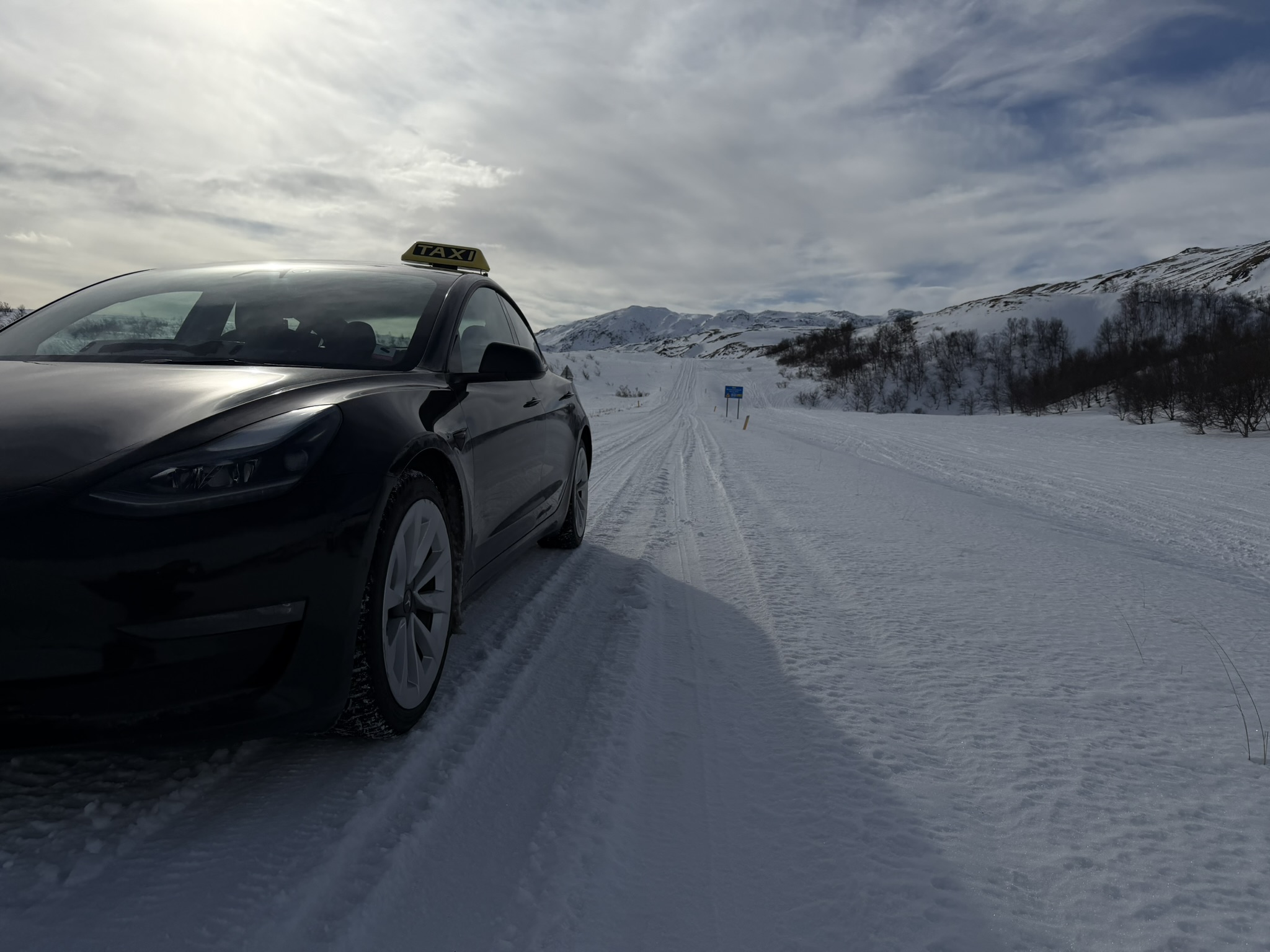
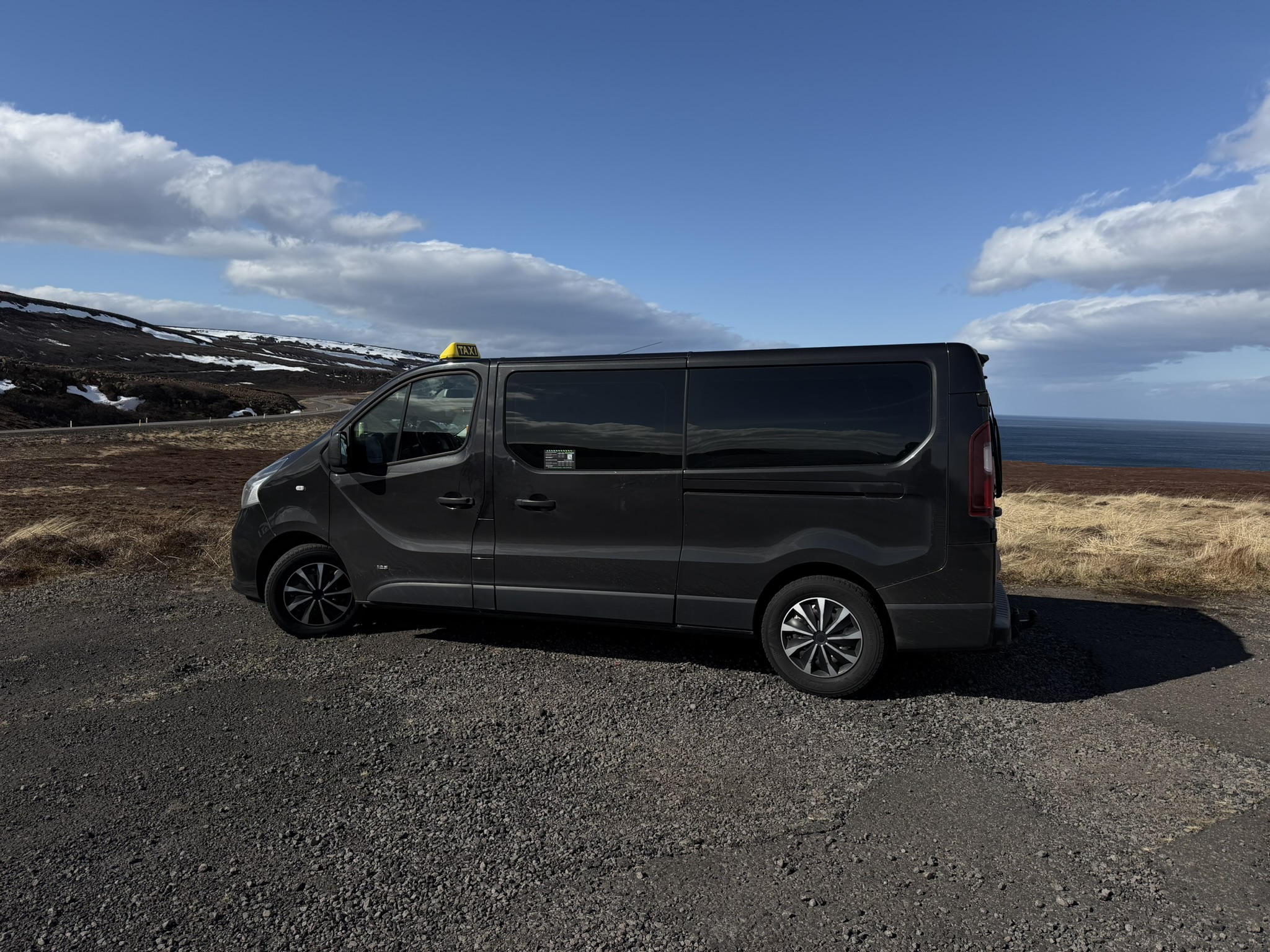
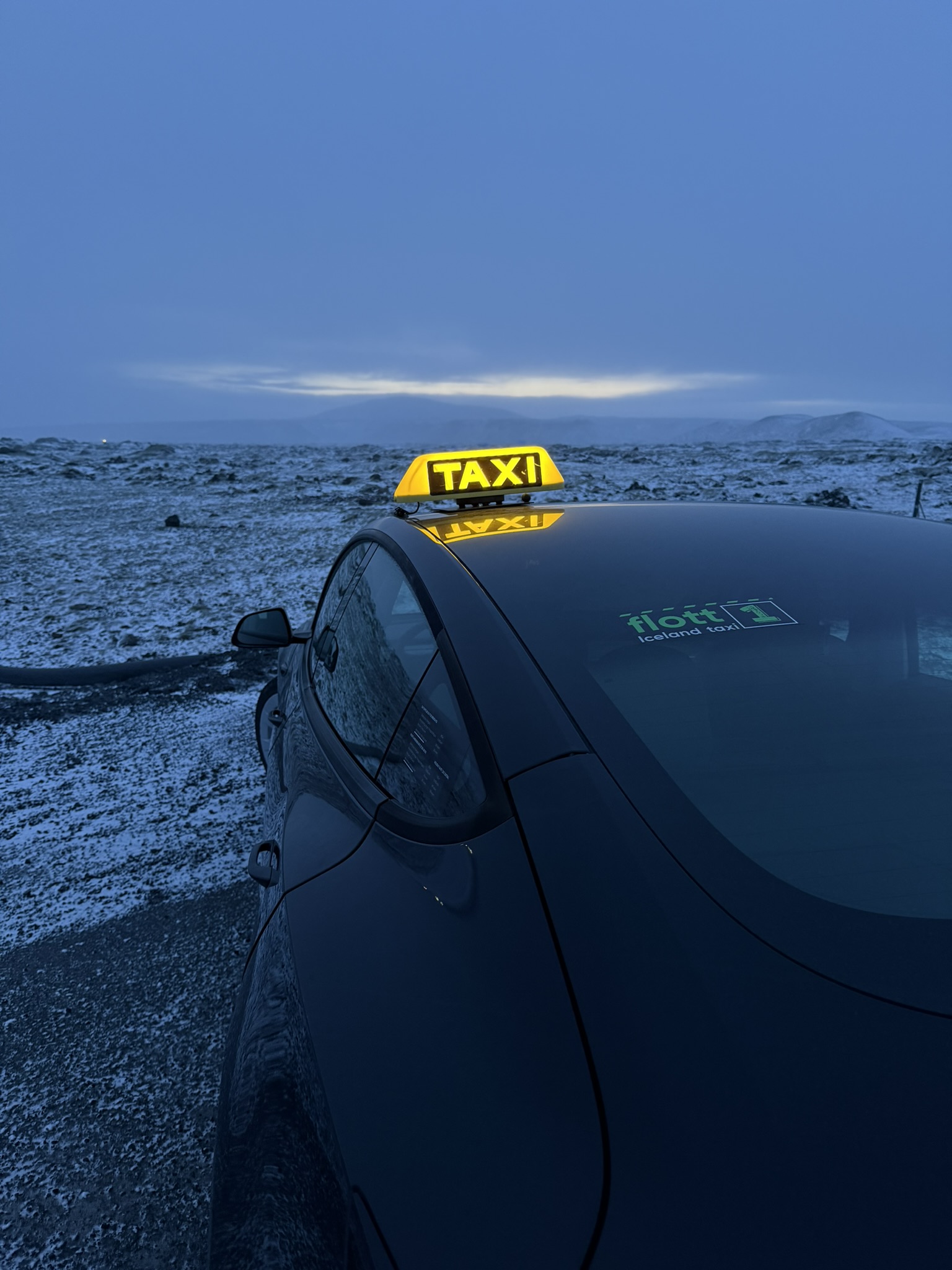
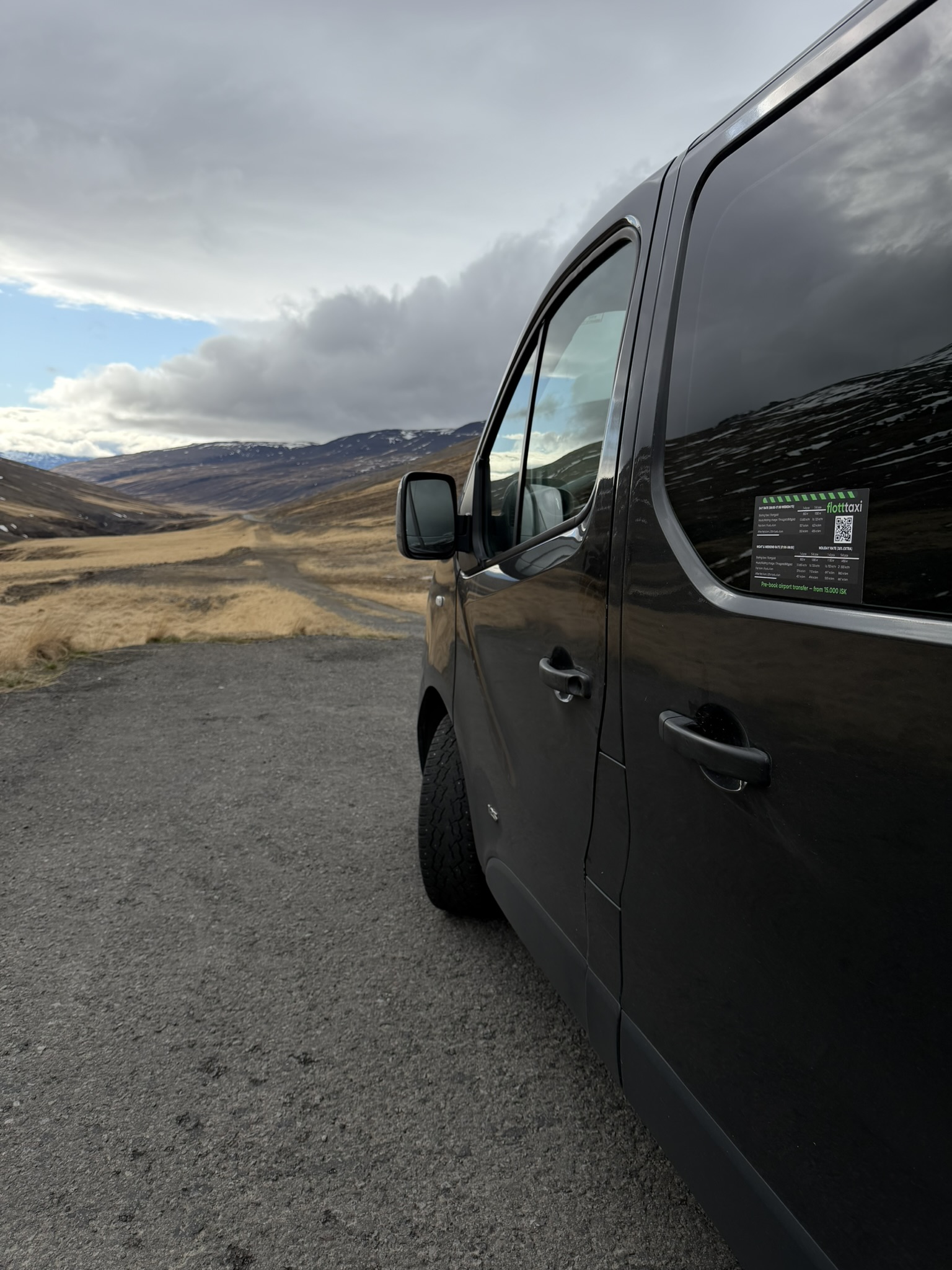
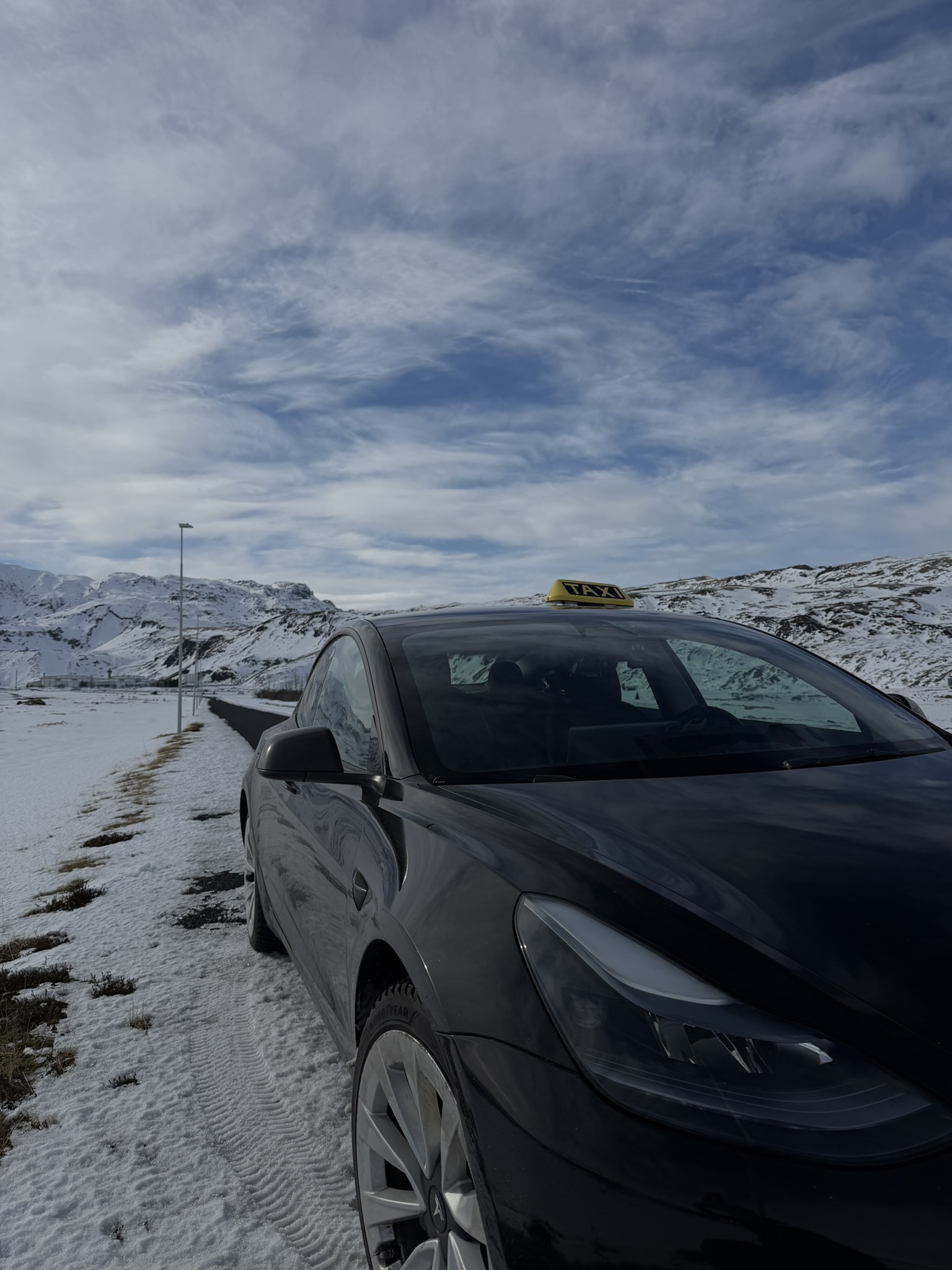
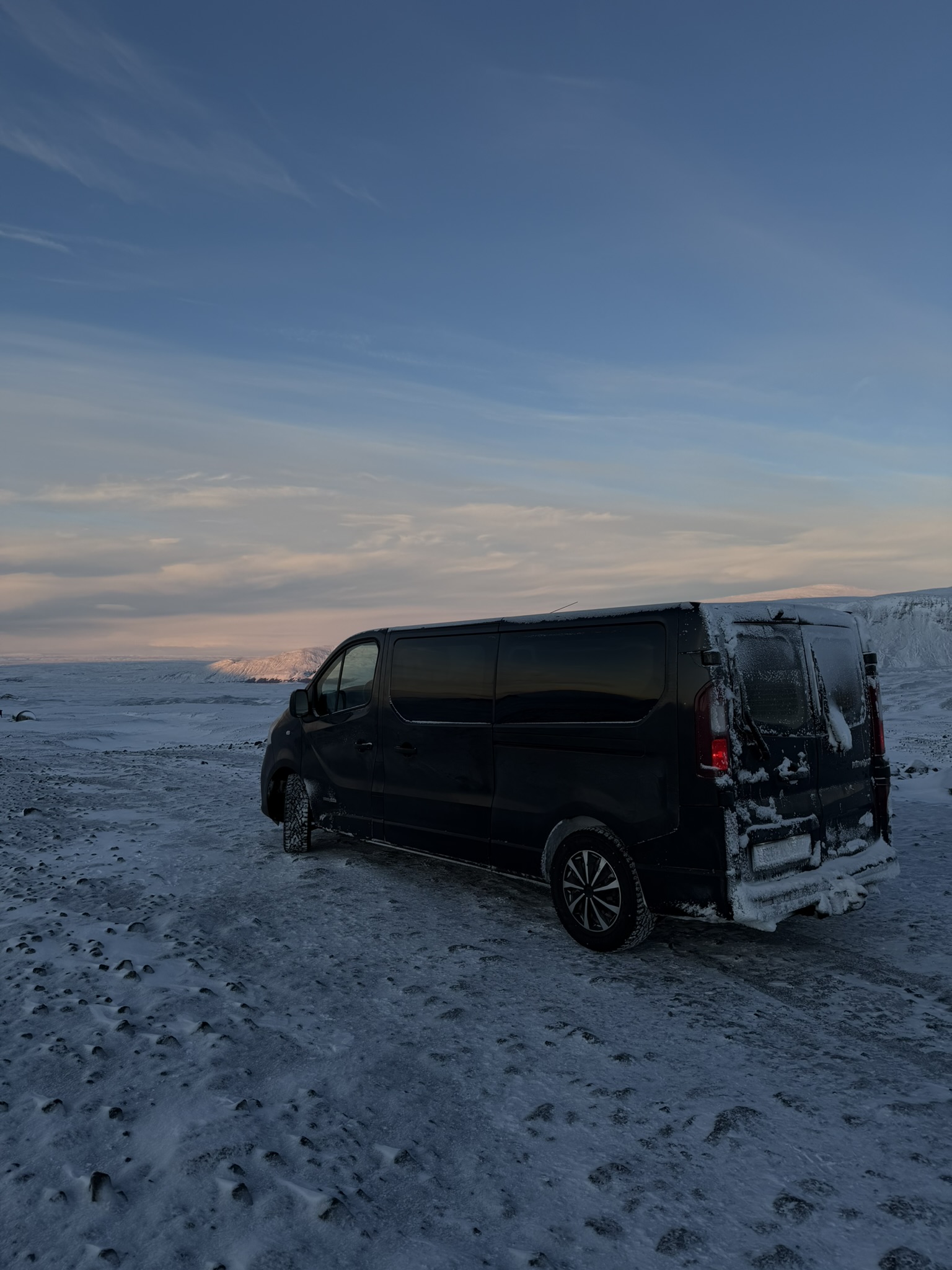
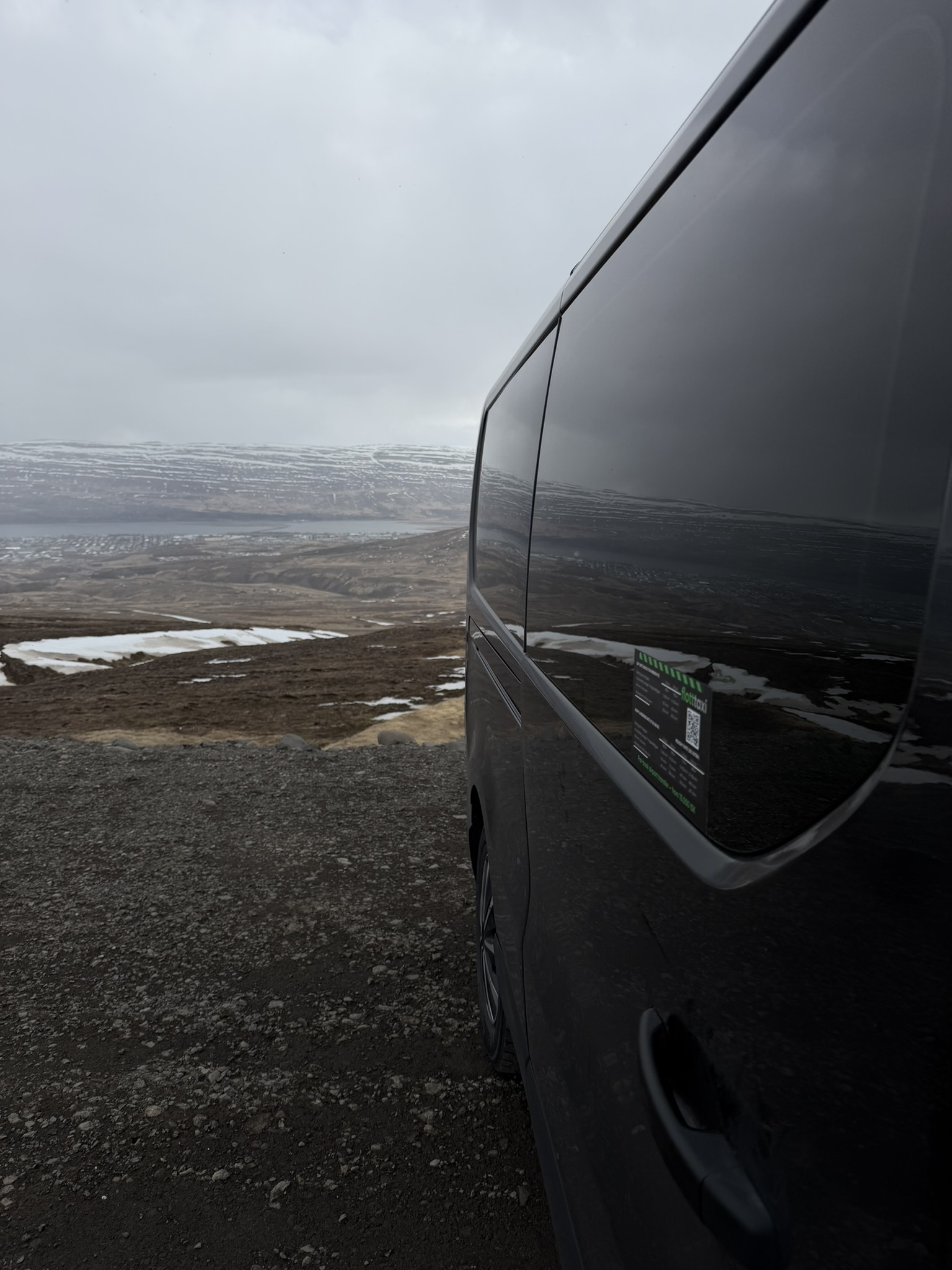
Excursions privées en taxi
Confort de porte à porte avec des chauffeurs locaux agréés et des véhicules modernes. Itinéraires flexibles, arrêts photo sur demande, conduite hivernale sécurisée et tarifs transparents. Idéal pour les couples, les familles et les petits groupes.
Avis des voyageurs
4.7 / 5 · 3 avis